Skip to content

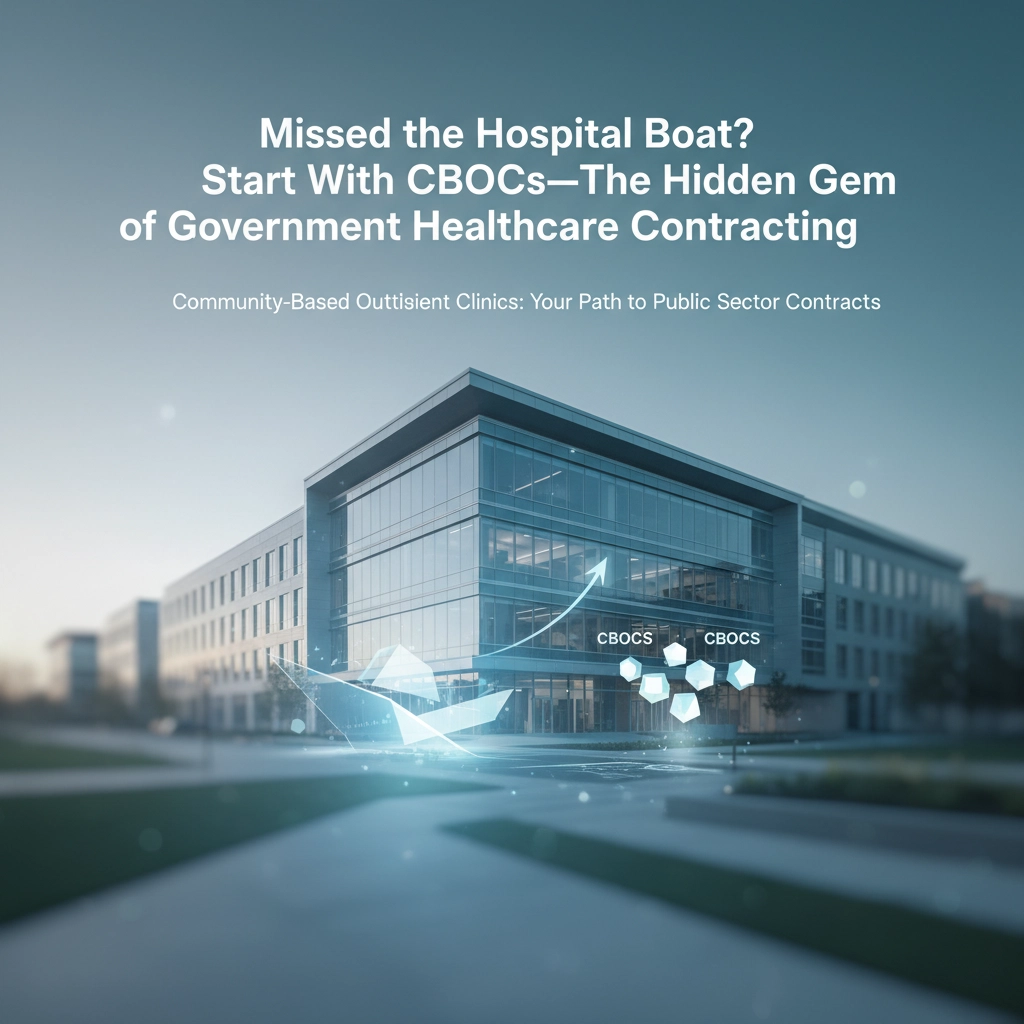
Winning large Department of Veterans Affairs (VA) hospital contracts can be challenging for businesses entering federal healthcare contracting. These opportunities may involve complex clinical operations, extensive resources, and established competitors.
However, hospitals are not the only way to enter the VA healthcare market. Community-Based Outpatient Clinics (CBOCs) offer another area worth exploring, particularly for healthcare providers, facility operators, and businesses with relevant government contracting capabilities.
Understanding how these clinics operate, where related contract opportunities appear, and how to position your business can help you evaluate whether CBOC contracting aligns with your growth strategy.
Enter Community Based Outpatient Clinics, or CBOCs for those who like their government acronyms short and sweet. These little healthcare gems are where the real opportunities live, especially if you’re new to the government contracting game or a healthcare company looking to dip your toes into the federal waters without drowning in red tape.
What Are Community-Based Outpatient Clinics (CBOCs)?
Community-Based Outpatient Clinics are geographically separate facilities that help the VA provide healthcare services closer to where veterans live. They operate as part of the broader VA healthcare system and support access to outpatient care without requiring every patient to visit a larger VA medical center.
Depending on the facility and its service model, CBOCs may provide primary care, mental health services, preventive care, and other outpatient services.
According to the VA’s official CBOC definition, these facilities can be VA-operated or VA-funded or reimbursed healthcare sites that are geographically distinct from their parent medical facilities.

For government contractors, CBOCs can represent opportunities involving clinical services, facility operations, staffing, equipment, and related healthcare support. The exact scope depends on the VA’s acquisition requirements and individual solicitation.
Why CBOCs Deserve Attention in Government Contracting
CBOC opportunities may be relevant to businesses that want to explore federal healthcare procurement beyond large hospital projects. However, these contracts are not automatically smaller or easier to win. Some require substantial clinical, operational, and financial capabilities.
Here are several reasons contractors should consider researching this market.
Opportunities Across Different Healthcare Capabilities
CBOC requirements can involve multiple service areas, including:
- Primary and outpatient healthcare services.
- Clinical staffing and medical personnel.
- Facility management and operational support.
- Medical equipment and healthcare technology.
- Administrative and patient support services.
Businesses can evaluate whether their existing capabilities match the requirements or whether a teaming arrangement would be necessary.

Potential for Long-Term Contract Relationships
Some VA healthcare requirements involve multi-year contract arrangements. These opportunities can support longer-term business planning, but contractors must evaluate the contract period, performance requirements, pricing structure, and potential risks before pursuing them.
Opportunities for Teaming and Subcontracting
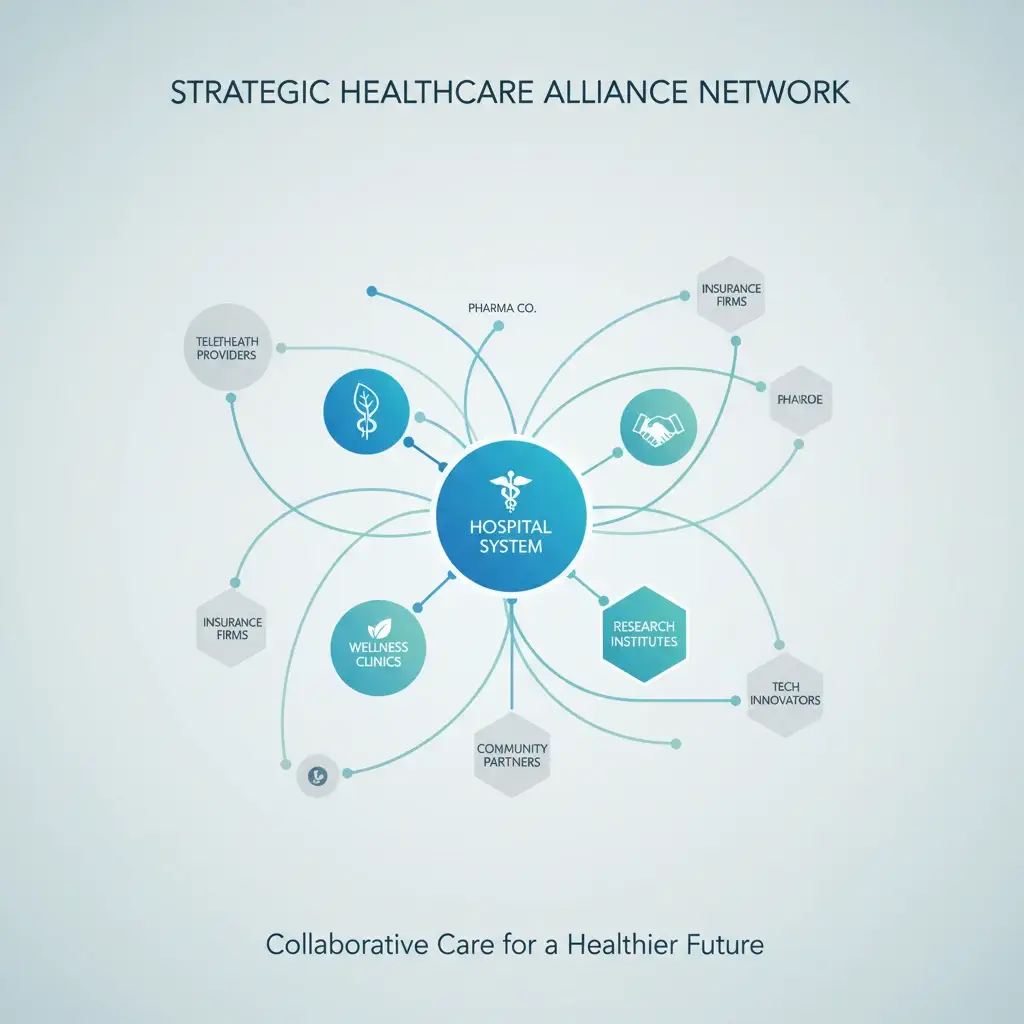
Businesses without the resources to operate an entire clinic may explore partnerships with established healthcare providers, facility operators, or specialized service companies.
A carefully structured team can combine healthcare expertise with federal contracting experience, allowing each partner to contribute its strengths.
How to Find CBOC Contract Opportunities
Identifying suitable opportunities requires consistent market research rather than relying on a single procurement search.
1. Search SAM.gov
SAM.gov is the primary federal portal for searching applicable government contract opportunities and procurement notices.
Use search terms such as:
- Community-Based Outpatient Clinic
- CBOC services
- VA outpatient clinic
- Primary care services
- Outpatient healthcare services
- Medical clinic operations
You can also review relevant classifications, including NAICS code 621498 (All Other Outpatient Care Centers), when applicable to the opportunity. Always confirm the classification in the actual solicitation.
Save relevant searches and review new notices, Sources Sought announcements, and Requests for Information regularly.
2. Monitor the VA Forecast of Contracting Opportunities
The VA publishes a Forecast of Contracting Opportunities to help businesses research anticipated procurement requirements.
Review the forecast for healthcare-related acquisitions, potential contract timelines, estimated requirements, and relevant VA organizations.
Remember that forecasts are planning tools, not guarantees of future solicitations or contract awards.
3. Follow VA Small Business Outreach Activities
The VA’s Office of Small and Disadvantaged Business Utilization (OSDBU) provides procurement information, training, outreach, and networking resources for businesses interested in working with the agency.
Its resources can help contractors understand small business participation, identify relevant outreach events, and learn more about VA procurement processes.
4. Research Geographic Markets
Geographic research can help businesses understand where healthcare services may be needed and whether they have the operational capabilities to serve a particular area.
Consider:
- Existing VA medical centers and outpatient clinic locations.
- Veteran population and regional healthcare access.
- Local healthcare providers and potential competitors.
- Facility availability and staffing resources.
- Travel, equipment, and operational costs.
This research can help identify markets worth monitoring, although a potential service gap does not guarantee that the VA will release a contract.

Teaming Up: Why Partnerships Matter
Operating a CBOC can require a combination of healthcare expertise, qualified personnel, facilities, technology, and administrative systems. Businesses that do not possess all these capabilities may benefit from working with experienced partners.
Find an Experienced Healthcare Operator
Consider partnering with healthcare organizations that have experience managing outpatient clinics, primary care operations, or other relevant medical services.
Their operational experience can complement your understanding of government procurement and contract management.
Identify Technology and Support Partners
Healthcare operations may require electronic health record systems, patient scheduling, telehealth capabilities, equipment, and administrative support.
Identify partners that can meet the applicable technical, security, and operational requirements.
Evaluate Prime Contracting and Subcontracting Options
If your business is new to federal healthcare contracting, subcontracting may provide an opportunity to develop relevant experience and relationships.
Businesses with established healthcare operations and sufficient federal contracting capabilities may consider pursuing prime contracts.
Before forming a team, define responsibilities, pricing arrangements, compliance obligations, and performance expectations.
What Makes a Competitive CBOC Proposal?
Understanding the requirement is essential before preparing a proposal. A competitive submission should demonstrate how your organization can meet the VA’s operational and performance expectations.
Focus on four important areas:
- Clinical and Operational Readiness: Explain your staffing approach, facility capabilities, operational procedures, and ability to deliver the services described in the solicitation.
- Performance Management: Address applicable quality measures, appointment availability, patient experience, reporting requirements, and other contract-specific performance standards.
- Cost and Pricing Strategy: Develop pricing that reflects staffing, facilities, equipment, operating expenses, and contract requirements. A competitive price should also support sustainable performance.
- Local Market Understanding: Demonstrate knowledge of the service area, available healthcare resources, workforce conditions, and the needs identified in the solicitation.
Strong proposal management and proposal writing can help organize these elements into a clear, compliant, and evaluator-focused submission.
Your CBOC Market Entry Action Plan
If your business is considering CBOC opportunities, follow a structured approach before pursuing a solicitation.
Step 1: Prepare Your Federal Registration. Establish and maintain an active entity registration in SAM.gov. Obtain your Unique Entity ID (UEI), review your business information, and identify applicable NAICS codes and socioeconomic certifications.
Step 2: Research the Market. Identify potential geographic markets, review VA procurement forecasts, and study previous CBOC contract awards and solicitations.
Step 3: Assess Your Capabilities. Evaluate your healthcare experience, staffing resources, facilities, financial capacity, and ability to meet contract requirements.
Step 4: Develop Your Team. Identify healthcare operators, technology providers, staffing organizations, and potential prime or subcontracting partners.
Step 5: Build a Capture Strategy. Qualify relevant opportunities, research competitors, understand customer requirements, and prepare a pursuit plan before the solicitation is released.
The Bottom Line: Make CBOCs Part of Your Government Contracting Strategy
Community-Based Outpatient Clinics offer a distinct area of opportunity within the VA healthcare market. For healthcare providers and government contractors, they can provide a pathway to explore outpatient service contracts, develop industry partnerships, and expand federal market participation.
However, success requires more than identifying a CBOC solicitation. Businesses must evaluate operational readiness, understand acquisition requirements, build capable teams, and develop a competitive capture and proposal strategy.
At NVS Strategic Solutions, we help government contractors research opportunities, strengthen market positioning, develop capture strategies, and prepare competitive proposals.
Explore our Capture Management and Business Development services to learn how structured opportunity qualification and strategic planning can support your federal growth objectives.
Ready to explore government healthcare contracting opportunities? Contact NVS Strategic Solutions to discuss your business goals.